ALITAB Enterprises, a leading waste management consultancy in Zimbabwe, has
successfully completed the Mbare Solid Waste Transfer Station project in collaboration with Médecins Sans Frontières (MSF), the Environmental Management Agency (EMA), and the City of Harare. This community-based initiative, funded by the Norwegian Retailers’ Environment Fund, aimed to improve solid waste management in the Mbare district of Harare.
Drawing on its expertise in sustainable waste management, community engagement, and innovative solutions, ALITAB designed a holistic approach for the Mbare Waste Transfer Station project. The project sought to reduce the amount of waste generated, increase the quantity of waste reused and recycled, and create income-generating opportunities through waste recycling activities.
Key Milestones and Innovative Approaches:
● Established a centralised waste transfer station in Mbare to serve as a hub for
collection, sorting, and value-addition of recyclable materials
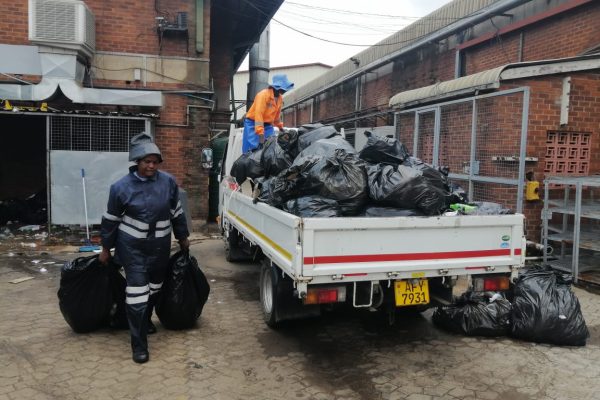
● Implemented door-to-door waste collection and community skip bins to improve
waste capture rates
● Trained community members on proper waste segregation, recycling, and
value-addition processes
● Launched educational campaigns to raise awareness on the ‘3Rs’ of waste
management: Reduce, Reuse, Recycle
● Developed partnerships with local businesses and organisations to collect and
process their recyclable waste
● Invested in processing equipment, including plastic shredders and an extruder, to
increase the value of recycled materials
● Explored innovative solutions for organic waste management, including a composting
facility at the Royal Golf Club
Transparent Reporting and Measurable Impact:
ALITAB’s commitment to transparency is evident in its detailed reporting on the project’s progress and outcomes. The company has meticulously documented the project’s milestones, challenges, accounting and impact on the community.
The Mbare Waste Transfer Station project has had a significant positive impact:
● Reduced the amount of plastic waste ending up in the municipal landfill by over
500,000 kg
● Started with 50 community volunteers, evolving into a specialised workforce of 18
permanent staff members focused on sorting, washing, and selling of recyclable
materials
● Developed dedicated teams for waste collection, community education, and
equipment operation, creating multiple employment streams
● Engaged over 25,000 households in the Mbare district, promoting improved waste
management practices
● Collaborated with 6 local schools to implement waste education programmes,
instilling environmental stewardship in the next generation
The success of the Mbare Waste Transfer Station extends far beyond operational metrics.
Its true sustainability lies in three interconnected pillars:
1. Community Ownership and Participation
The project has fundamentally changed how the Mbare community views and manages waste. By actively involving residents in decision-making and operations, the station has become more than infrastructure – it’s a community asset. Local waste management committees now drive continuous improvements, while trained community members manage daily operations, ensuring knowledge and skills remain within Mbare.
2. Environmental Impact and Protection
Beyond immediate waste reduction, the project has created lasting environmental change.
Community-led monitoring systems track progress, while the composting facility
demonstrates the potential for circular waste solutions. The reduced landfill burden and increased recycling rates represent not just current achievements but a new environmental standard for the community to maintain and improve upon.
3. Behavioural Change and Social Impact
The most significant indicator of sustainability is the shift in community behaviour and workforce development. The project’s evolution from 50 volunteers to specialised teams demonstrates its adaptability and maturity. Today, 18 permanent staff manage core operations of sorting, washing, and sales, while dedicated teams handle waste collection, community education, and machinery operations. This specialisation has created sustainable career paths within waste management.
Door-to-door collection services and educational programs have transformed how
households think about and handle waste. This behavioural change ripples through
generations as school programs create young environmental stewards. The creation of sustainable livelihoods through waste management has demonstrated to the community the long-term economic benefits of environmental responsibility.
Building on the success of the Mbare Waste Transfer Station, ALITAB Enterprises is now exploring opportunities to replicate this innovative model in other areas of Zimbabwe. The organisation is also pursuing partnerships to expand its plastic waste-to-fuel processing capabilities and explore sustainable solutions for organic waste management.
ALITAB’s holistic approach to waste management, which combines community engagement, income generation, and environmental sustainability, has demonstrated the potential for transformative impact. It has also proved its sustainability through community ownership and behavioural change.
As the company looks to the future, it remains committed to driving positive change and empowering communities to take charge of their waste management needs, ensuring lasting environmental and social benefits for generations to come.